MENU
MENU


info@krishnacoming.com

MENU
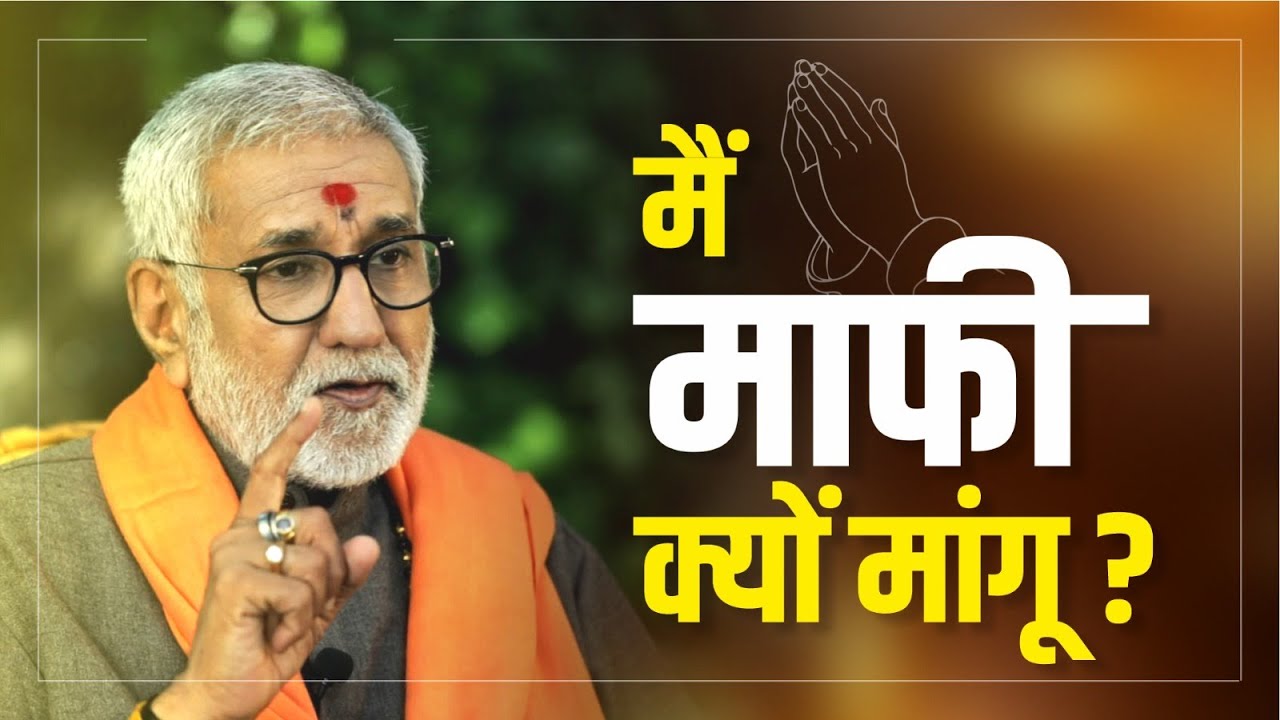
Why Should I Say Sorry First? – A Life Lesson on Ego, Peace & Forgiveness
Have you ever faced a situation where you thought —
“Why should I apologize first? It wasn’t my fault!”
This one simple question creates most of the negativity, tension, and arguments in families. But if we understand it deeply, much of the unrest and bitterness in our homes can disappear.
Let’s explore this thought through a heart-touching story and learn what truly brings peace — ego or forgiveness?
The Root of Family Conflicts
Every home faces moments of misunderstanding and argument. But peace doesn’t leave us because of people — it leaves us because of certain elements inside us.
There are four inner elements that whisper to us —
“Don’t say sorry first.”
“Why should you bow down?”
These four negative forces are:
1. Ego (Ahankaar) – I can’t apologize first.
2. Anger (Krodh) – I’m too hurt to forgive.
3. Selfishness (Swarth) – I only care about my side.
4. Hatred (Ghrina) – I don’t even want to see them.
Whenever these take control, peace leaves our life.
The Power of Forgiving
Just like saying sorry is important, forgiving others is equally divine.
But how can we forgive someone who has hurt us?
There are four positive elements that help us forgive:
1. Love (Prem) – Melts away ego.
2. Compassion (Karuna) – Makes us understand others’ pain.
3. Belongingness (Apnapan) – Reminds us we are one family.
4. Spirit of Service (Seva Bhav) – Teaches us to give without expecting.
If even one of these qualities enters your heart, forgiveness becomes natural.
A Story to Reflect On – Lord Shiva & Devi Sati
Let’s understand this through a divine example.
Once, Lord Shiva and Goddess Sati went to listen to a discourse about Lord Ram.
Shiva listened with devotion, but Sati — intelligent and logical — kept questioning:
“Why is Lord Ram crying for Sita? How can He be God?”
Ego and logic clouded her faith. She decided to test Lord Ram, despite Shiva’s warning.
Disguising herself as Sita, she went near Lord Ram.
But Lord Ram instantly recognized her and said gently,
“Mother, why are you alone in the forest? Where is Lord Shiva?”
Sati was shocked. Her test had failed.
When she returned, Shiva asked,
“Did you test Him?”
She lied, “No, I just bowed like you did.”
In that moment, instead of saying sorry, ego stopped her.
She could have ended it with a simple apology — but she didn’t.
The Outcome
Shiva knew her heart. He forgave her — but said,
“Since you took the form of Mother Sita, our physical relationship can no longer continue.”
He didn’t punish her harshly; he simply chose peace over pain.
Sati couldn’t bear the guilt and later gave up her body — showing that ego destroys what love builds.
The Lesson for Us
In every relationship — especially between husband and wife — ego often wins over love.
Both know each other deeply, yet both say:
“You never understand me.”
But what if one person decides to break the chain?
What if one says, “I’ll say sorry first, for the sake of peace.”
That’s not weakness — that’s wisdom.
When Lord Shiva closed his eyes, he reminded himself:
“Hoee hai soee jo Ram rachi rakha” —
Whatever happens is part of God’s plan.
If we see life with this understanding, forgiving becomes easier and pain turns into peace.
Practical Wisdom to Remember
1. Saying sorry first doesn’t mean you’re wrong — it means you value peace more than pride.
2. Forgiving someone doesn’t make you weak — it makes you wise.
3. Ego separates hearts, humility connects them.
4. Some things are destined — accept them with grace.
A Special Message for Mothers-to-Be
When you carry a child, every emotion you feel shapes your baby.
A forgiving, calm, and peaceful mother gives birth to a wise and emotionally balanced child.
So next time that thought comes — “Why should I say sorry first?” —
pause, smile, and whisper to yourself:
“Because I choose peace over pride.”
This life-changing reflection is shared by the Krishna Coming Garbh Sanskar initiative — helping parents nurture peace, positivity, and wisdom even before birth.